SOLUTIONS FOR TRADERS

See Structural Congestion Before the Market Prices It In

Felix turns interconnection-queue activity and transmission-upgrade plans into a forward view of where congestion will build and where it will ease. That is an edge market-data feeds on their own cannot give you.

1 + GW
of queued capacity modeled
> 1 %
accuracy against ISO studies
1 +
major U.S. markets

Every POI

studied region-wide

Most trading platforms tell you what prices and congestion have already done. The harder question is where congestion is heading as the grid physically changes, and that comes down to new projects entering the queue, generators retiring, and transmission getting upgraded. That is exactly the layer Felix models. Felix replicates ISO study methodology to show how new generation, new large loads, retirements, and planned upgrades reshape power flows and binding constraints across a region. If your P&L turns on congestion, whether you trade FTRs, spreads, or basis, that is a structural signal you can build a view on ahead of the market.

What You Need to Stay Ahead

1. Anticipate structural shifts in congestion.

See how queued generation, new loads, retirements, and transmission upgrades will change binding constraints and flows, often months before they show up in settled prices.

2. Build a defensible FTR or basis view.

Ground your congestion calls in ISO-accurate study results rather than backward-looking correlations, so your positions rest on how the network actually behaves.

3. Stress-test scenarios around a constraint.

Model what happens to a constraint if a project comes online, a unit retires, or an upgrade slips, and see the effect on the paths you trade.

4. Treat the queue as a leading indicator.

Watch interconnection-queue and upgrade activity as a forward signal for congestion, with study-grade results for every point of interconnection in a region.

Solutions for Trading Workflows

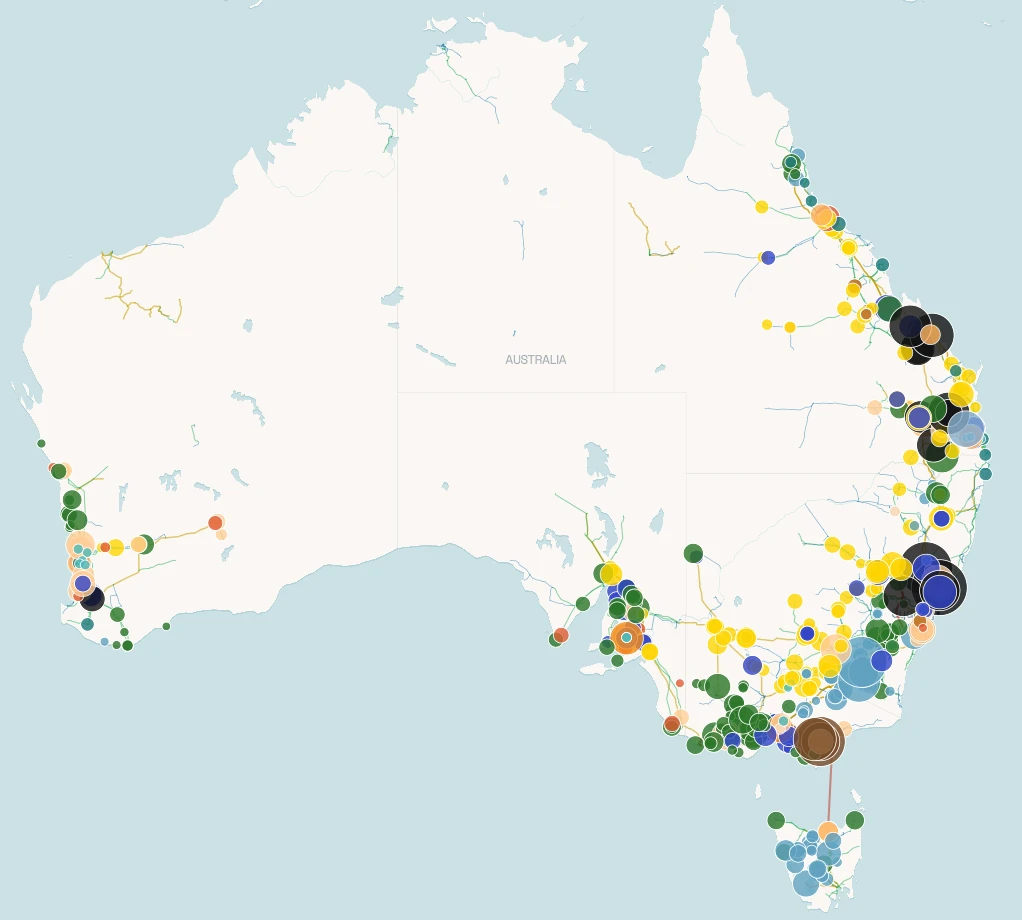
map

Headroom Capacity

A region-wide map of capacity and constraint exposure that shows where the grid is tight today and where new projects will push it tomorrow.

Local Studies Tool

Re-run the full ISO study under your own queue, retirement, and upgrade assumptions to see how specific constraints and paths respond.

rgt
isos_utilities_1x

ISO-Aligned Methodology

The same ERIS and NRIS engines the ISOs use, so the constraint and flow signals you trade on reflect how the network will really behave.

Frequently Asked Questions

Still have questions?

Does Felix provide real-time LMPs or market-data feeds?
No, and that is on purpose. Felix works alongside your market-data provider. Where they show you realized prices and live conditions, Felix shows the forward, physical drivers of congestion: how new projects, retirements, and transmission upgrades will reshape constraints and flows.
Who gets the most out of this?
Traders whose results depend on congestion, including FTR, spread, and basis traders, along with analysts building a structural view of where congestion will build or ease as the grid changes.
How far ahead can Felix see?
As far as the queue and the transmission plans reach. Because Felix models the physical changes coming to the network, it surfaces structural shifts well before they settle into prices.

get start journey with us

Want to trade ahead of the grid? Let’s talk.