GRIDSIM

One Engine for ISO-Accurate Interconnection Simulation

GridSim re-runs full ERIS and NRIS study methodology under your own assumptions, so you can see exactly how a site holds up before you put capital behind it. This is the product you have known as the Local Studies Tool.

> 1 %
accuracy against ISO studies
1 +
what-if scenarios per site

ERIS + NRIS

methodology replicated

TARA + PSS®E

the same ISO engines

Most screening tools approximate. They lean on FCITC math or simplified DC models, and they miss the network upgrades you will actually be assigned. That is why sites that look clear fall apart twelve to eighteen months into the queue, after the deposits and diligence are already spent. GridSim takes a shortlist of priority sites and runs the real study on them. It replicates the full ERIS and NRIS process the ISOs use, on your own assumptions, and lets you change those assumptions as many times as you need. You see which constraints and upgrades a project triggers, how the answer shifts as the queue moves, and where the genuinely low-risk sites are, all before you commit.

Simulate the Study Before You Commit

Study on your own assumptions.

Bring your view of queue drop-offs, retirements, and planned transmission upgrades into the model, and apply it to the sites you care about.

Replicate the ISO, do not approximate it.

GridSim runs the same ERIS and NRIS methodology the ISOs use, in the same software, so the upgrades it surfaces are the ones you would actually be assigned.

Stress-test against a moving queue.

Add competing projects and new loads, then watch how a site’s results change. Run a hundred what-if scenarios before your decision point.

Understand why, not just what.

See the specific constraints and network upgrades a project triggers, so you can explain the result and act on it with confidence.

YOUR ASSUMPTIONS

Adjust Local Queue Assumptions in a Click.

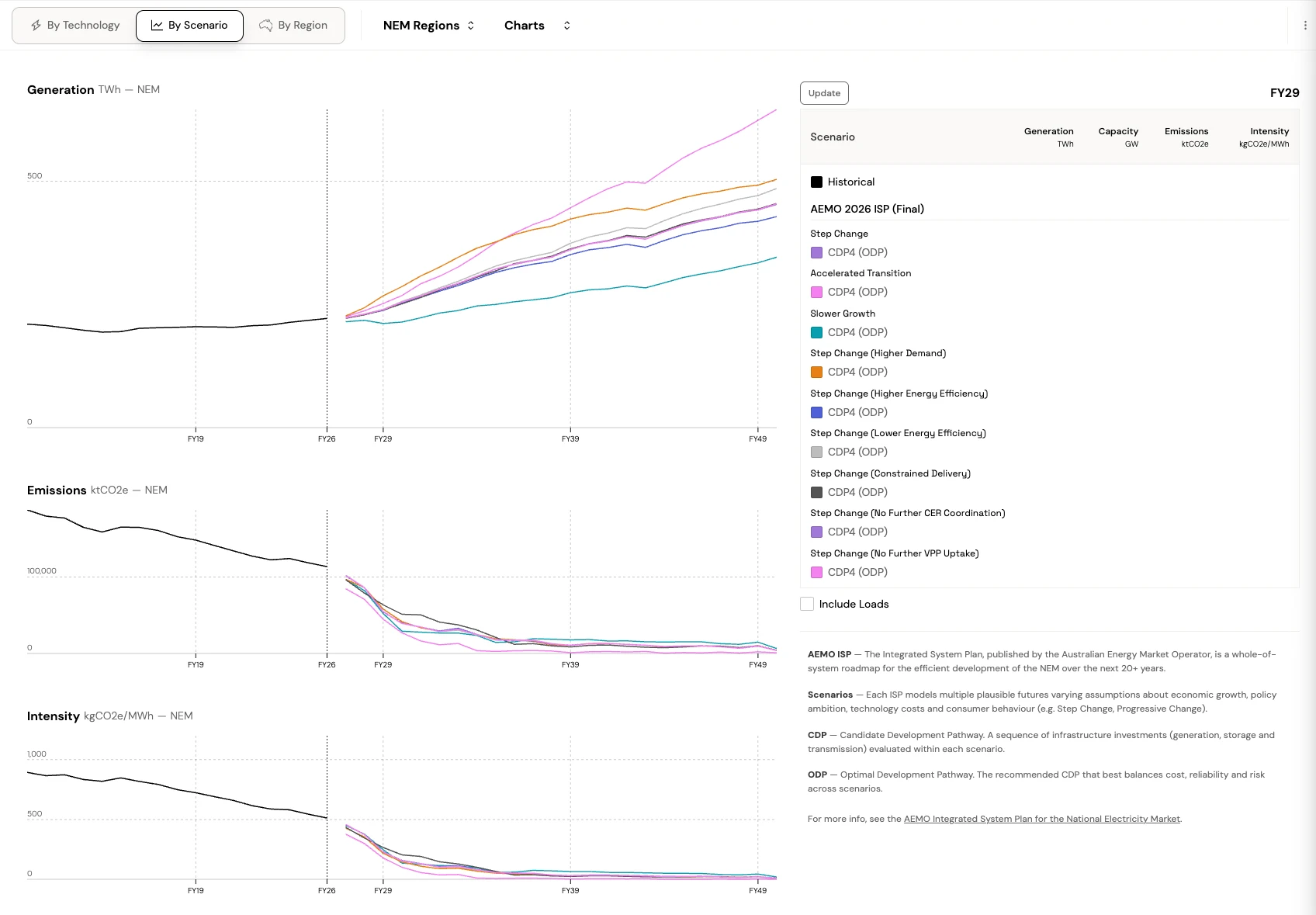
Toggle queue drop-offs, retirements, and planned upgrades, then re-run the study. GridSim applies your assumptions to the full ISO methodology, so the results reflect the grid as you expect it to be.

SCENARIO TESTING

Model Competing Projects and New Loads.

Test how a competing generator or a large load at a nearby point of interconnection changes your available capacity and which constraints it triggers, so your timing and siting decisions reflect the queue around you.

a
FULL METHODOLOGY

Re-Run the Complete ISO Study, Fast.

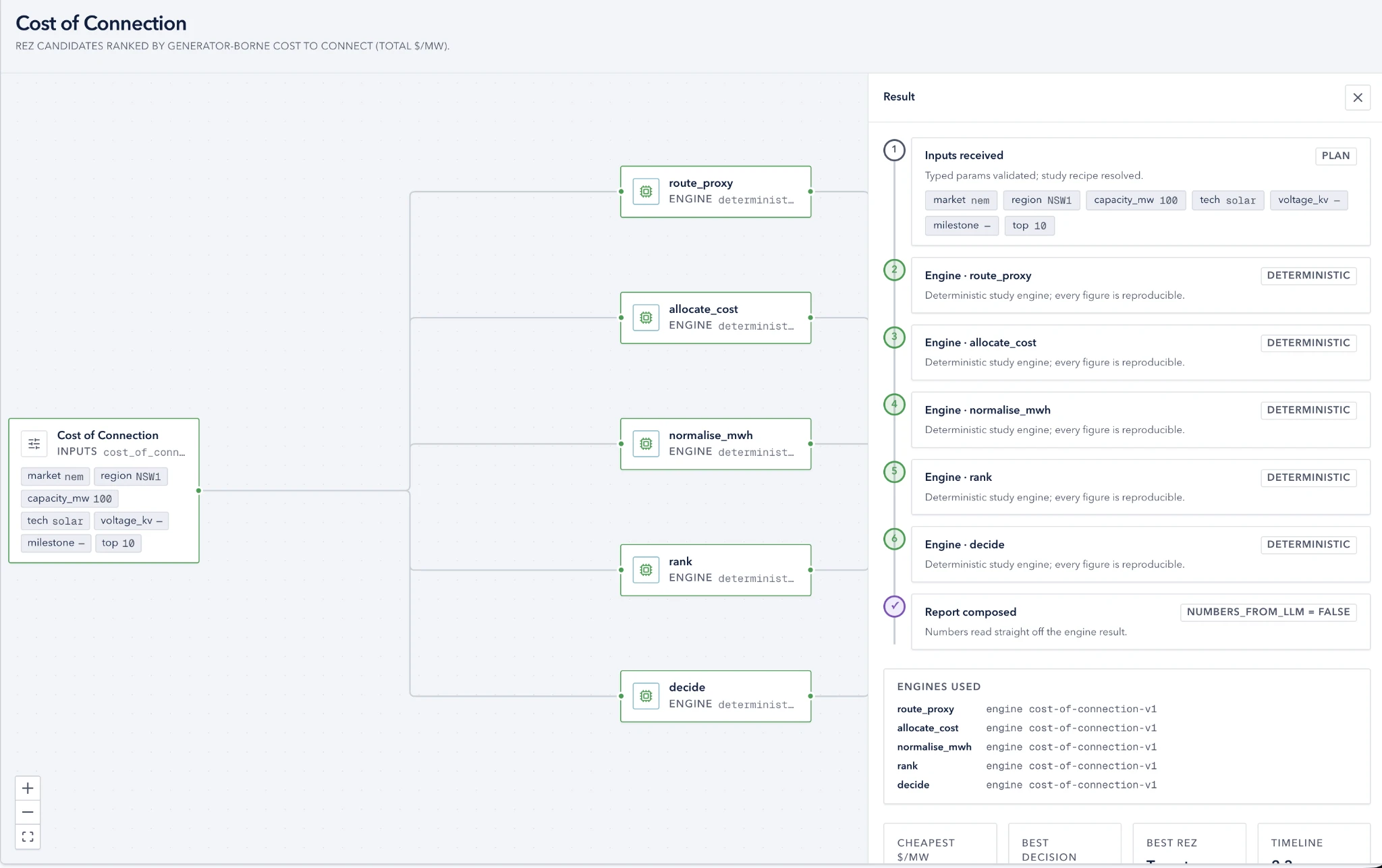
GridSim runs the full ERIS and NRIS injection study rather than a shortcut, and returns accurate results quickly enough to iterate, so you are not waiting weeks for each consultant pass.

SIDE BY SIDE

Compare Scenarios and Pick the Low-Risk Site.

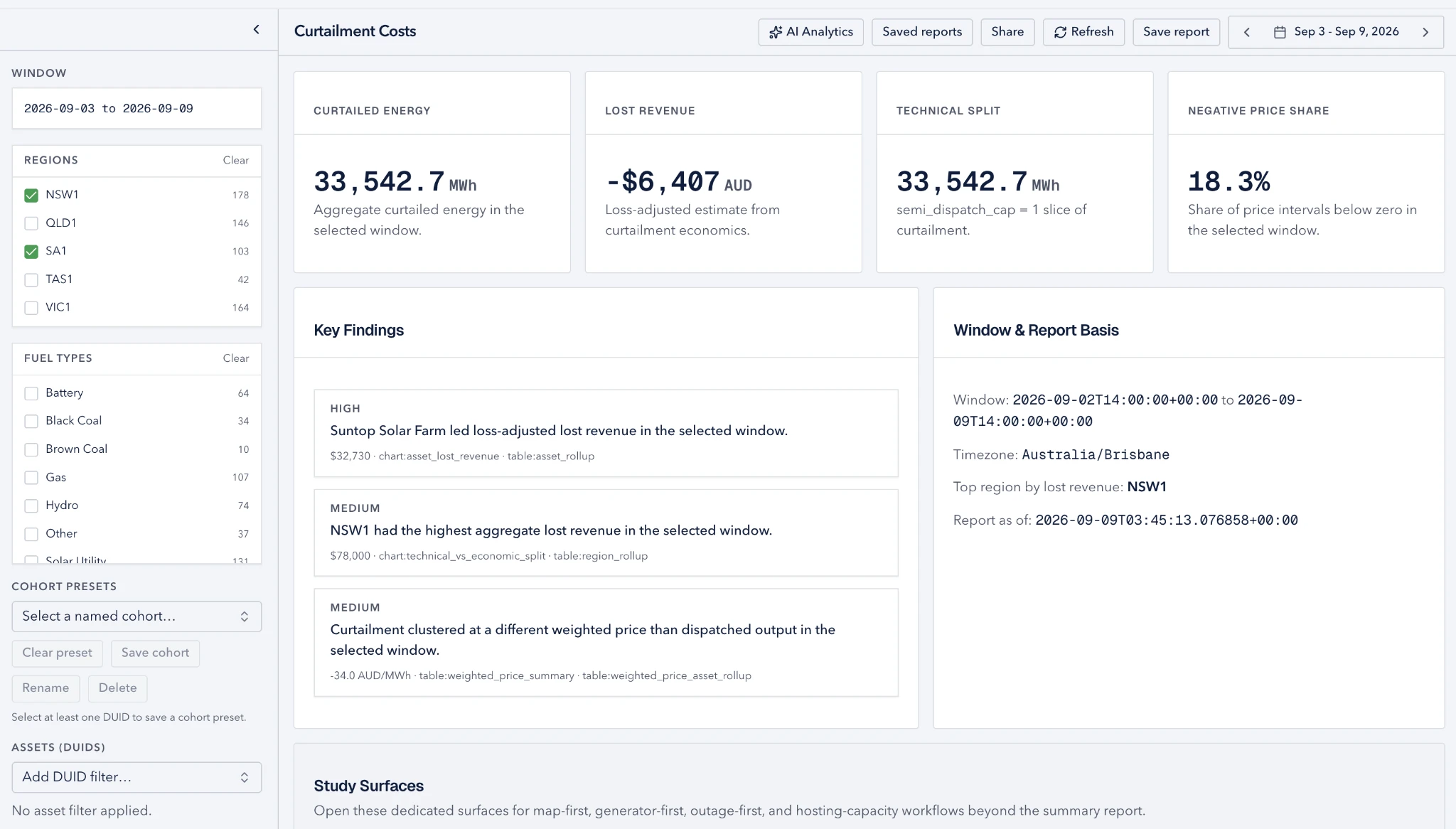
Stack scenarios next to each other to see how each site performs under different futures, so you advance the projects that hold up and disqualify the ones that do not.

Frequently Asked Questions about GridSim

Still have questions?

Is this the same as the Local Studies Tool?
Yes. GridSim is the Local Studies Tool, rewritten and renamed. Everything you relied on is still here, including full ISO study replication, custom queue assumptions, and scenario comparison.
How is GridSim different from a screening tool?
Screening tools approximate with FCITC or simplified DC models and produce false positives. GridSim runs the full ERIS and NRIS injection study on your assumptions, so a site that clears in GridSim is far more likely to clear in the real study.
How accurate are the results?
GridSim matches ISO study outcomes with better than 97% accuracy, using the same software the ISOs and utilities rely on, PowerGEM's TARA and Siemens PTI's PSS®E, applied to the latest power flow models for each market.
How many scenarios can I run?
As many as you need before your decision point. Teams routinely run a hundred or more what-if scenarios on a shortlist of sites to find the lowest-risk points of interconnection.

get start journey with us

Ready to simulate before you commit?